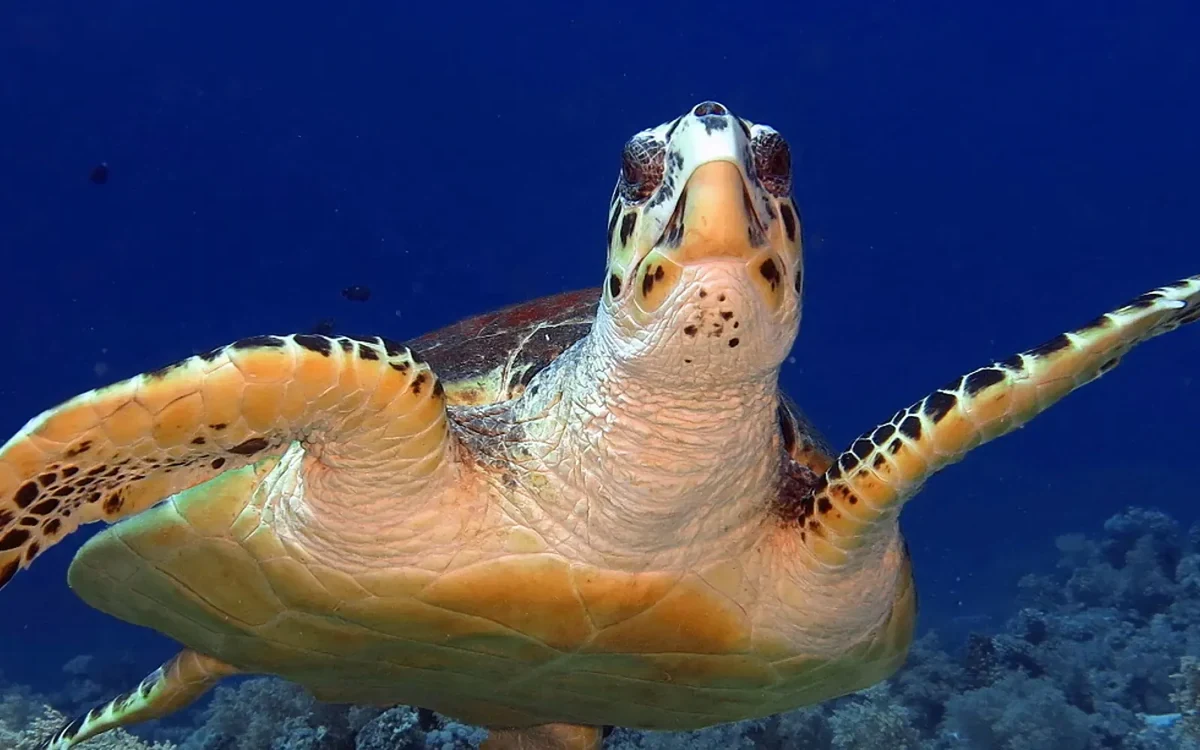
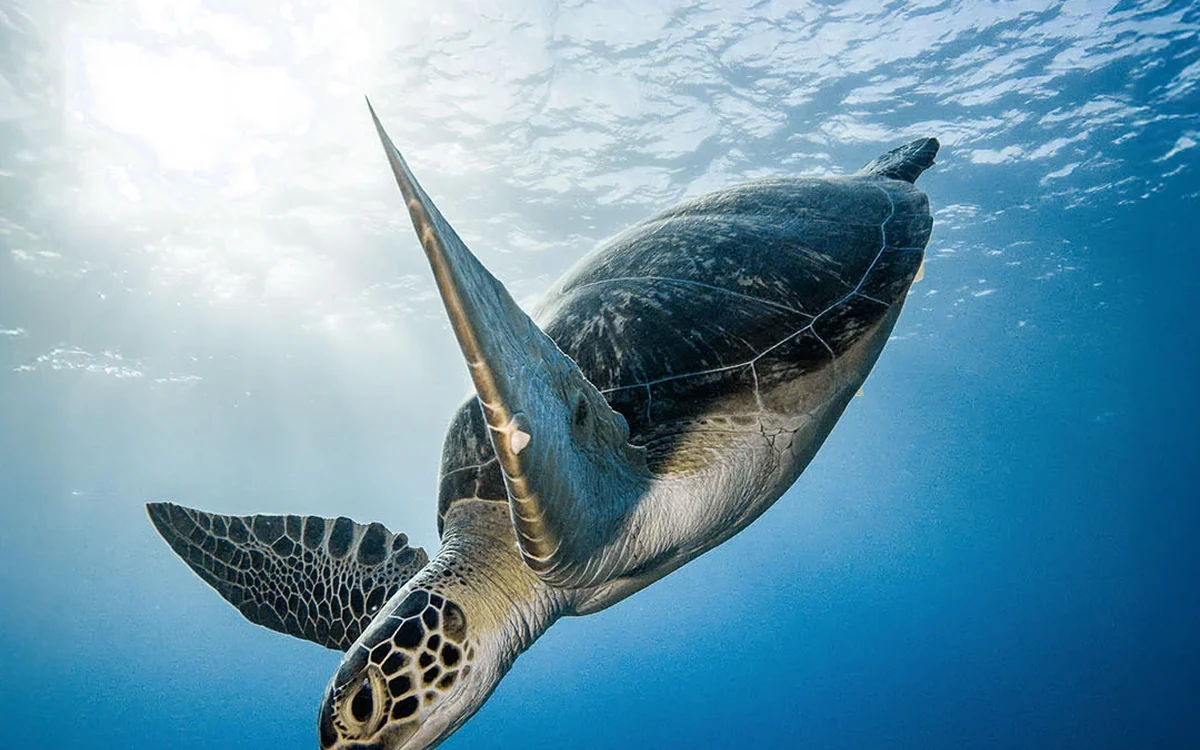
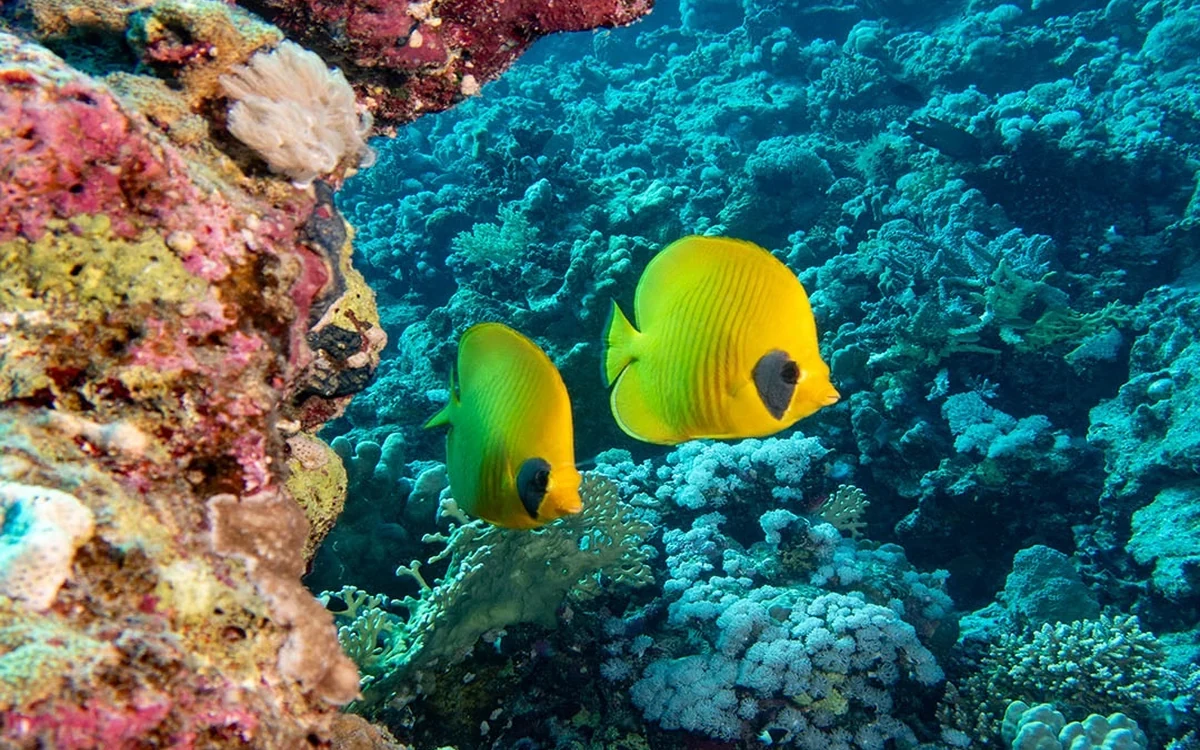
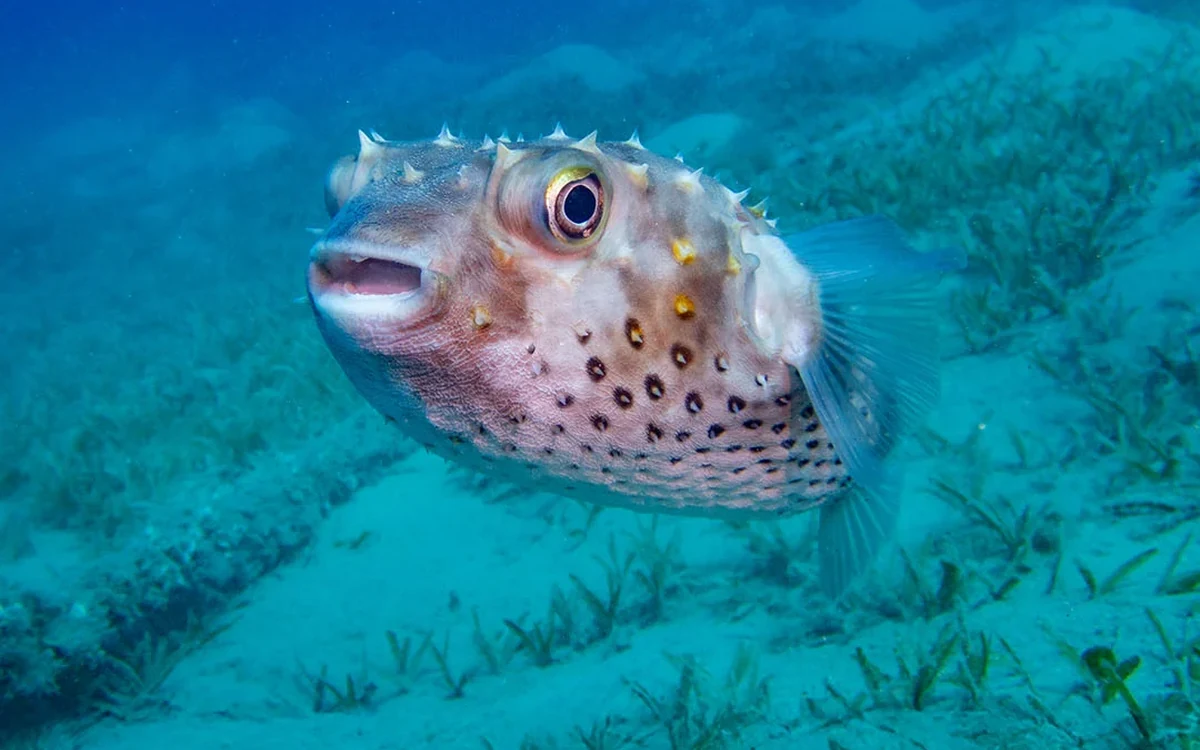
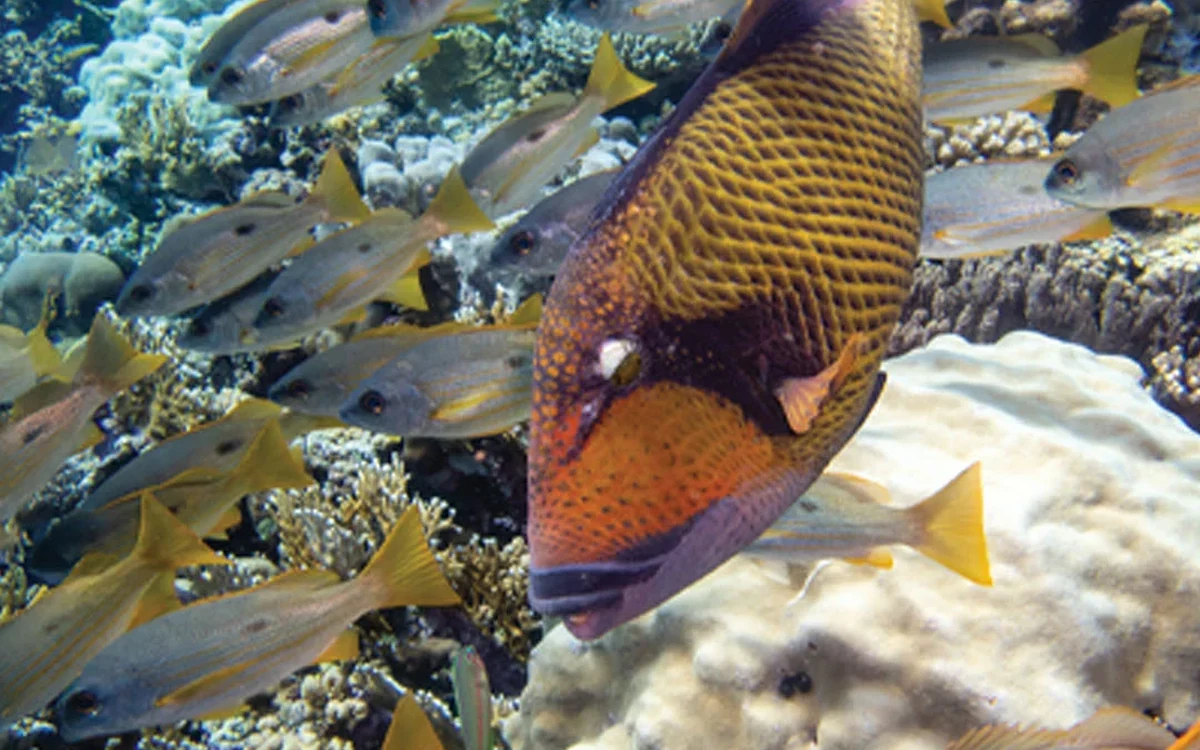
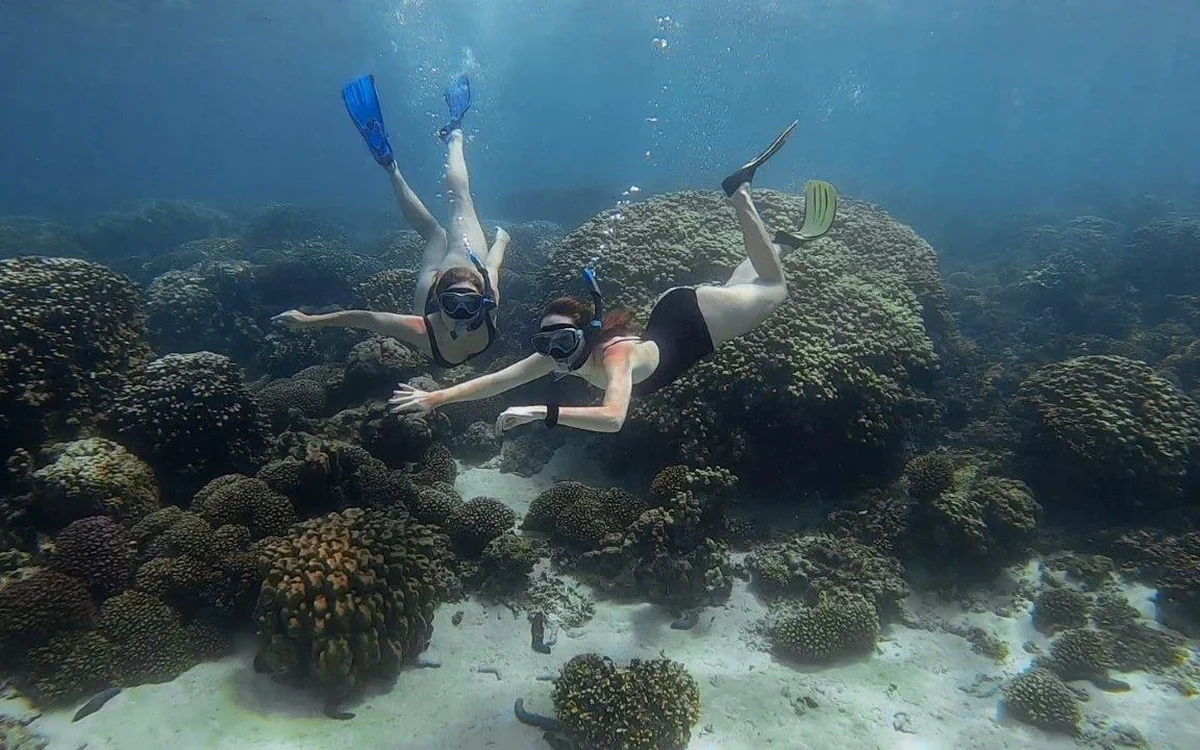
The coral reefs around Hurghada are living formations full of colorful fish, and they are the reason snorkeling trips like Dolphin House and the island outings to Orange Bay and Paradise Island exist. The sea is a living environment: marine sightings vary from day to day, and no fixed list of animals can be guaranteed. How you behave in the water decides what the next swimmer finds.
Rule one: never touch or stand on coral
Coral looks like rock but is a living animal. Do not touch it, do not stand on it and do not kick it with your fins. Keep a comfortable distance and let the reef come into view on its own. The same discipline applies to everything living: do not chase or touch wildlife, and follow the guide's entry and return instructions at every stop.
Rule two: watch wildlife, don't pursue it
On wildlife trips like Dolphin House, the animals are wild and free to move through the area; their behavior and location cannot be predicted or scheduled. Guests watch dolphins from the boat with guidance from the crew. That distance is the point: a wildlife excursion is not an attraction with captive animals, and the crew adjusts the program to sea conditions and the animals.
Rule three: manage your sun protection at sea
Every Hurghada packing list starts with sun protection: sunscreen, sunglasses, a hat and a cover-up. Choose a high-factor, water-resistant sunscreen and reapply after lunch, and use a cover-up and shade between swims so you need less on your skin while you are in the water. Bring a waterproof phone case instead of risking devices over the side, and keep valuables protected from water.
Rule four: listen to the briefing
Guests receive guidance before entering the water, and snorkeling equipment and life jackets are available on board. Ask for the boat briefing, confirm your equipment fits, and follow the crew's instructions on where to enter, where to snorkel and when to return. Children and less confident swimmers stay under appropriate adult supervision. If you are uncomfortable in the water, discuss staying aboard or beach-only time before booking.
Rule five: accept the sea's schedule
Reef locations and schedules can change with sea conditions. The final program and pickup details are confirmed before the excursion, and the crew chooses suitable snorkel spots on the day. A changed stop is not a worse stop; it is the crew protecting both you and the reef. Keep your expectations flexible and your hands to yourself.
Book a Reef-Friendly Day on the Red Sea
Choose your trip on the tour pages, follow the reef rules, and the next swimmer will thank you. Book online with hotel pickup included.
Questions About Coral Reef Care in Hurghada
Can I touch the coral if I am careful?
No. Coral is a living animal, and touching, standing on or kicking it damages it. Keep your distance and follow the guide's instructions at every stop.
How should I behave around dolphins in Hurghada?
Dolphins at Dolphin House are wild. Guests watch them from the boat with crew guidance; their behavior cannot be predicted or controlled. Never chase or touch wildlife in the water.
What sun protection should I bring for snorkeling?
Sunscreen, sunglasses, a hat and a cover-up are on every packing list. Choose a high-factor, water-resistant sunscreen, reapply after lunch, and use a cover-up and shade between swims.
What if I am not a confident swimmer?
Life jackets are available on board and guidance is given before water activities. Tell the team before booking; remaining aboard or choosing beach time is always an option.
Why did my snorkeling stop change on the day?
Reef locations and schedules change with sea conditions. The crew chooses suitable spots on the day and the final program is confirmed before the excursion.